
-
Fits your
Fits selected models
Universal fit
Doesn’t fit your
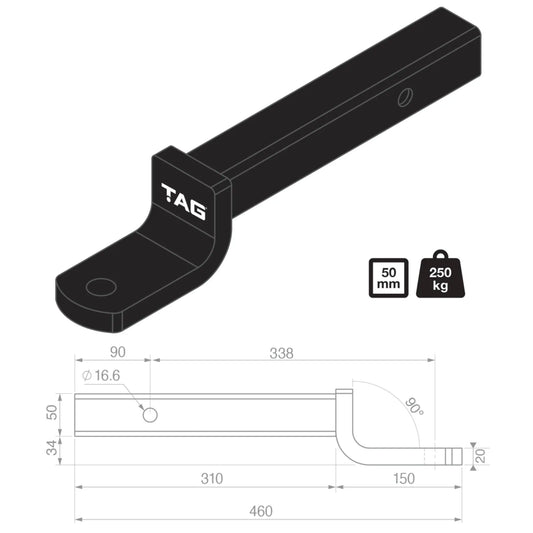
TAG Tow Ball Mount - 338mm Long, 90°Face, 50mm Square Hitch
Regular price $79Sale price $79 Regular price -
Fits your
Fits selected models
Universal fit
Doesn’t fit your
BTA Adjustable Heavy Duty Tow Ball Mount - 50mm Square Hitch
Regular price $249Sale price $249 Regular price -
Fits your
Fits selected models
Universal fit
Doesn’t fit your
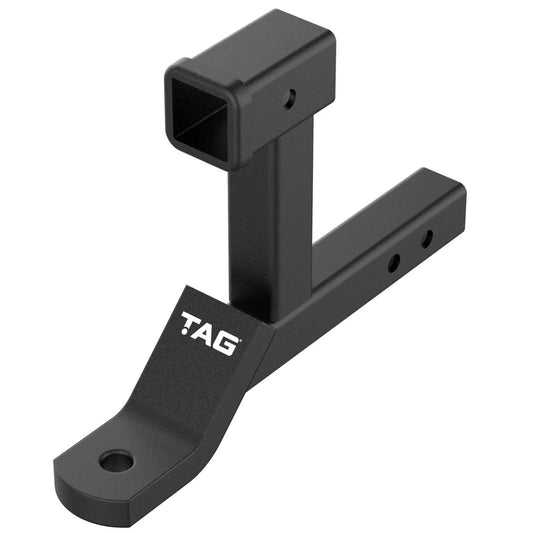
Multi-Use Tow Ball Mount 50mm Square Hitch
Regular price $145Sale price $145 Regular price -
Fits your
Fits selected models
Universal fit
Doesn’t fit your
Hitch Extender Length 365mm, 50mm Square Hitch
Regular price $119Sale price $119 Regular price -
Fits your
Fits selected models
Universal fit
Doesn’t fit your
Tow Hitch Cover
Regular price $29Sale price $29 Regular price -
Fits your
Fits selected models
Check fitment for your vehicle
Doesn’t fit your
Tow Ball Mount to Suit Toyota Landcruiser 200 or 300 Series
Regular price $110Sale price $110 Regular price -
Fits your
Fits selected models
Universal fit
Doesn’t fit your
Tow Ball Mount 178mm Long, 90° Tongue Face, 50mm Square Hitch
Regular price $99Sale price $99 Regular price -
Fits your
Fits selected models
Universal fit
Doesn’t fit your
Tow Ball Mount 208mm Long, 135° Face, 50mm Square Hitch
Regular price $79Sale price $79 Regular price -
Fits your
Fits selected models
Universal fit
Doesn’t fit your
Tow Ball Mount 198mm Long, 90° Face, 50mm Square Hitch
Regular price $78Sale price $78 Regular price -
Fits your
Fits selected models
Universal fit
Doesn’t fit your
Tow Ball Mount 203mm Long, 90° Face, 50mm Square Hitch
Regular price $78Sale price $78 Regular price -
Fits your
Fits selected models
Universal fit
Doesn’t fit your
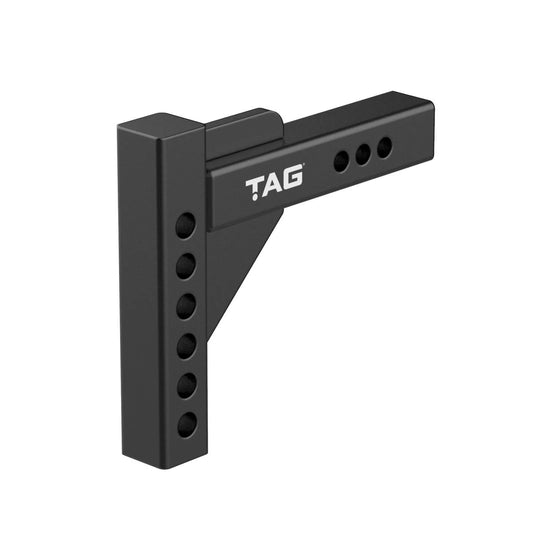
Adjustable Weight Distribution Shank 50mm Square Hitch, Standard Drop (4.5T)
Regular price $149Sale price $149 Regular price -
Fits your
Fits selected models
Universal fit
Doesn’t fit your
Adjustable Weight Distribution Shank 50mm Square Hitch, 50mm Drop (4.5T)
Regular price $149Sale price $149 Regular price -
Fits your
Fits selected models
Universal fit
Doesn’t fit your
Adjustable Tow Ball Mount 297mm Long, 90° Face, 50mm Square Hitch
Regular price $199Sale price $199 Regular price -
Generally in stock

Fits your
Fits selected models
Universal fit
Doesn’t fit your
Adjustable Heavy Duty Tow Ball Mount 90° Face, 50mm Square Hitch
Regular price $310Sale price $310 Regular price







The Link Between Towbar and Trailer
Most towbars on utes and 4WDs use a 50 mm square hitch receiver. A tow ball mount, sometimes called a tongue, slides into the receiver and is held in place by a hitch pin, and the tow ball bolts onto the end of the mount. It is a simple setup, but the mount you choose decides how level the trailer sits, how much clearance you have at the back of the vehicle and how well the whole combination handles.
Fixed Tow Ball Mounts
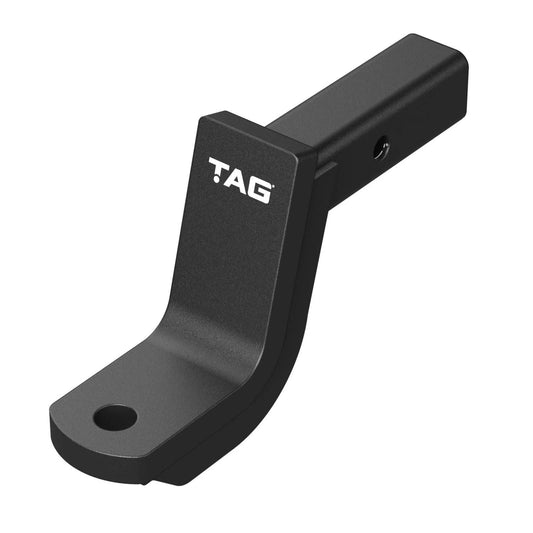
Fixed mounts come in a range of lengths, from 178 mm through 198, 203, 208 and 297 mm up to the 338 mm TAG mount. A longer mount moves the ball further back, which helps clear a rear wheel carrier, a rear step or a tailgate that needs to open while the trailer is hitched. A shorter mount keeps the trailer closer, with less leverage on the receiver. Each mount carries its own rating, so check it covers what you tow.
There is also a dedicated tow ball mount for the LandCruiser 200 and 300 Series.
Face Angle
Mounts are listed by face angle, which describes the shape of the drop down to the ball. Most of our mounts use a 90 degree face, and a 135 degree face mount is also available. Match the profile to your rear clearance and the height of your trailer coupling.
Adjustable Mounts
Adjustable mounts let you raise or lower the ball to suit the trailer, which is handy if you tow more than one. A boat trailer and a camper rarely sit at the same height. The range includes the BTA adjustable heavy duty tow ball mount, adjustable heavy duty mounts with a 90 degree face, a 297 mm adjustable mount and a multi use mount. A trailer that sits level brakes better, tracks straighter and wears its tyres evenly.
Working Out the Drop You Need
- Load the vehicle as you would for the trip and park on level ground.
- Measure from the ground to the top of the receiver opening.
- With the trailer sitting level, measure from the ground to the underside of the coupling.
- The difference between the two is the drop, or rise, your mount needs to give.
Remember that the rear of the vehicle settles once the trailer's weight is on the ball, so recheck with the trailer hitched before a long trip.
Ratings to Check
Every part in the hitch carries its own rating: the towbar, the mount, the tow ball and the pin. The lowest one sets your limit, along with the vehicle's own towing capacity, so check all of them before you hitch up something heavy.
Weight Distribution Shanks
Heavy caravans can put enough download on the tow ball to make the rear of the vehicle squat. A weight distribution hitch uses spring bars to spread some of that load back across the vehicle's front axle and the trailer, bringing everything back to level. Our adjustable weight distribution shanks are rated to 4.5 tonne and come in standard drop and 50 mm drop versions. The shank is the receiver end of the system, so pair it with a compatible hitch head and spring bars. Check that your vehicle maker allows weight distribution hitches before fitting one, as some do not.
Hitch Extenders
A 365 mm hitch extender pushes the receiver further back, mainly to clear a rear wheel carrier or to give a bike rack room for the tailgate. Extenders add leverage, which usually reduces the load the receiver can safely carry, so check the rating and keep them for light jobs.
Hitch Covers
A tow hitch cover closes off the receiver when no mount is fitted. It keeps out dirt and water, protects the pin holes and tidies up the back of the vehicle. Many owners leave the cover in place full time and only pull it out to hitch up, which keeps road grime out of the receiver so the mount slides in easily next time.
Pins, Care and Number Plates
Always use the correct hitch pin and clip, and consider a locking pin to stop the mount walking off. Clean and lightly grease the mount from time to time so it slides in and out easily. When you are not towing, take the mount out. It saves your shins, and a tow ball that blocks your number plate can earn you a fine.
Fitting
These parts are simple to fit at home. If you are unsure which length or drop suits your trailer, bring the vehicle to our South Windsor showroom and our team will help you set it up. Shop compatible bars in towbars.
Call us on 02 9627 8666, text 0440 130 098, or visit our showroom at 20 Walker Street, South Windsor NSW 2756.
Have questions?
What size receiver do these mounts fit?
How do I choose the right tow ball mount length?
Why use an adjustable tow ball mount?
What does a weight distribution shank do?
Do hitch extenders reduce towing capacity?
Should I remove the tow ball mount when I am not towing?
Related buying guides
See all articlesExpert guides and buying advice.

BYD Shark 6 Towing Specs: Premium vs Performance Capacity, Towball Load and GCM
The current Shark 6 range no longer has one universal towing number. The Premium can tow up to 2,500 kg…

Ford Ranger Caravan Towing: Canopy Weight and Payload Reality
A lot of Ranger owners see “3,500 kg towing capacity” and assume the ute can tow a big caravan while…

Isuzu D-MAX Towing with a Canopy: Payload, GCM and Setup Tips
The Isuzu D-MAX is a popular towing ute, especially for caravan owners, tradies, campers and touring families. But fitting a…
Need help choosing?
Call us on 02 9627 8666 or chat with our team.